How to Care for Your Handmade Rugs

Kim Young • February 21, 2025

Easy Tips to Keep Your Rug Looking Beautiful for Years to Come.
How to Care for Your Handmade Rugs

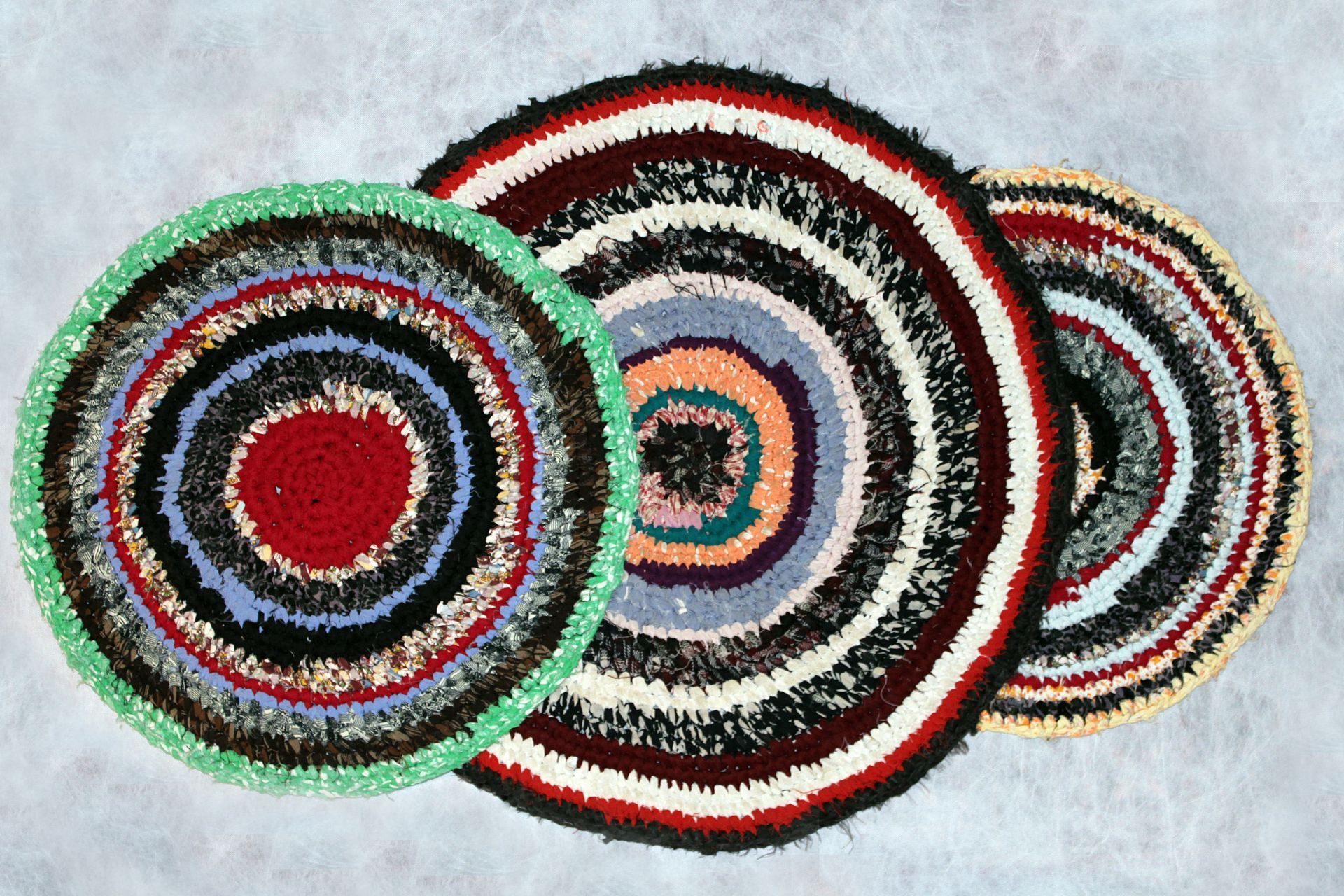
Handmade rugs bring not only beauty but also warmth, character, and a touch of history to any room. Each rug is painstakingly handmade, making it a unique addition to your space. To ensure your handmade rug remains in good condition for years to come, it is important to take proper care of it. Here are some simple tips to help you maintain the beauty and longevity of your rug.


1. Vacuum Regularly


One of the easiest ways to care for your handmade rug is to vacuum it regularly. This helps remove dust and dirt that can settle into the fibres over time. When vacuuming, use a light suction setting and avoid using beater bars, as these can damage the delicate fibres of your rug. Take extra care around the fringed edges to prevent fraying.


2. Rotate Your Rug


To prevent uneven wear, it is a good idea to rotate your rug every six months, particularly if it is in a high-traffic area or exposed to direct sunlight. Rotating your rug ensures that wear is distributed evenly, which can significantly extend its lifespan.


3. Act Immediately If You Have Spills


If a spill occurs on your rug, it is best to deal with it straight away. Blot the spill with a clean, dry cloth to absorb as much liquid as possible—avoid rubbing, as this can push the spill deeper into the fibres. For more stubborn stains, mix a mild detergent with water and test it on a small, inconspicuous area first to ensure it doesn’t affect the rug’s colours or fibres.


4. Steer Clear of Direct Sunlight


Prolonged exposure to direct sunlight can cause the colours in your handmade rug to fade. If possible, keep your rug out of direct sunlight, or at least close your curtains or blinds to protect it. If your rug is in a sunny spot, consider rotating it more frequently to prevent one side from fading more than the other.


5. Use Rug Pads


Placing a rug pad underneath your handmade rug can provide extra cushioning and prevent slipping. Rug pads also reduce friction between the rug and the floor, which helps to keep the rug in better condition for longer. They also allow for better air circulation, preventing moisture buildup underneath the rug and helping to maintain its overall condition.


6. Professional Cleaning


Even with regular maintenance, your handmade rug will benefit from professional cleaning every few years. The professionals have the knowledge, and tools to perform deep cleaning of rugs without ruining them. This helps to remove dirt and allergens that regular vacuuming might miss and can help keep your rug looking fresh and vibrant.


7. Store Your Rug Properly


If you need to store your handmade rug, it is important to do so carefully to avoid damage. Clean the rug thoroughly before storing it, and roll it up rather than folding it to prevent creases. Store the rug in a cool, dry place, out of direct sunlight, and consider using a breathable cover to protect it from dust and pests.


Conclusion


Looking after your handmade rug doesn’t have to be difficult, but it does require regular attention. By following these simple tips, you can help keep your rug in great condition for many years.


If you have any further questions or would like to explore our current range of handmade rugs, please visit www.poppylove.co.uk.

Get in Touch
Rust-colored curtains framing a window with white blinds and autumn trees outside
By Kim Young • October 14, 2026
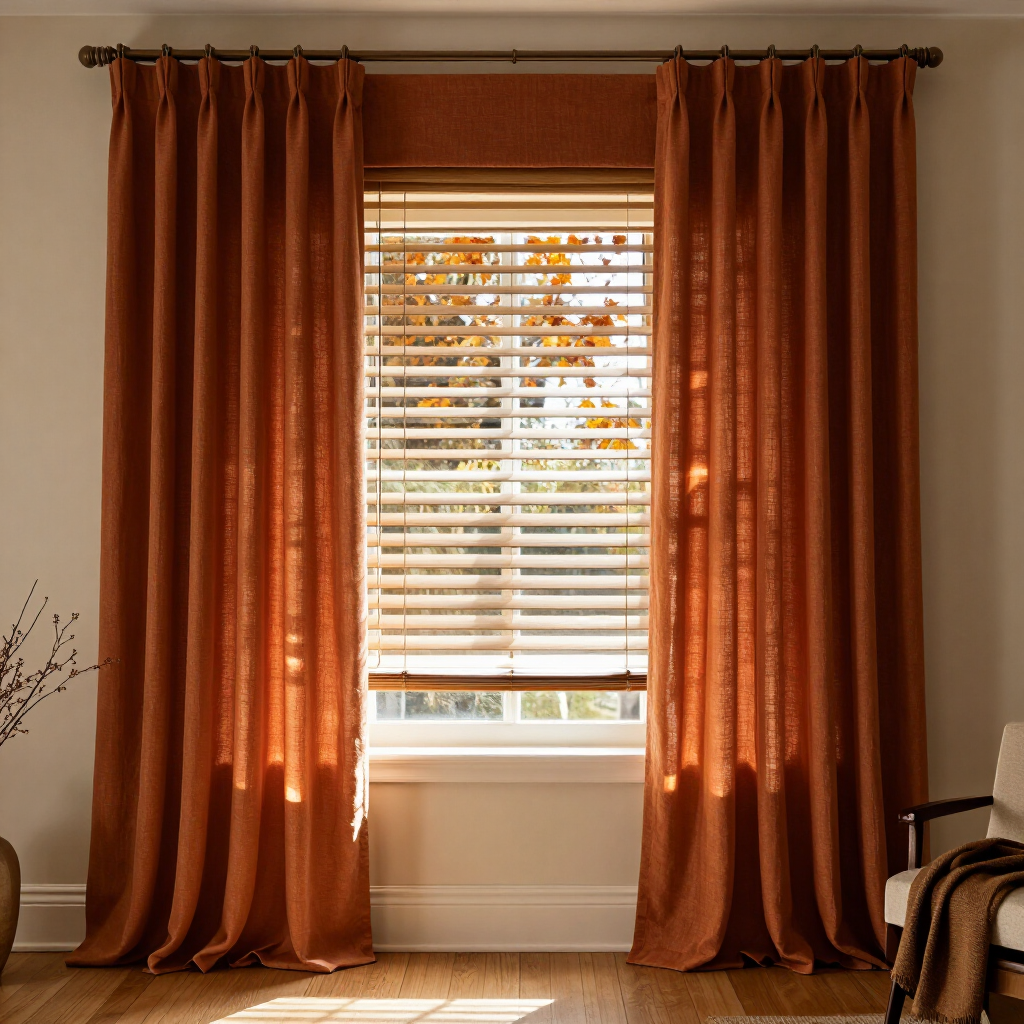
As the evenings draw in and the trees change to copper and gold, our thoughts naturally turn to making our homes feel warmer and more enveloping. One of the most effective ways to do this is through layering your window dressings, combining curtains, blinds and pelmets to create depth, richness and a sense of occasion that a single treatment simply can't achieve. Why Layer for Autumn? A layered window isn't just about looks; it's about function too. Autumn brings cooler mornings, unpredictable light and draughtier evenings, and layering gives you far greater control over all three. Warmth: an extra layer of fabric traps air and reduces heat loss through glass. Light control: a blind can filter low autumn sun without sacrificing privacy. Visual richness: combining textures adds a tailored, finished look no single curtain or blind can match. For period homes across Farnham, Odiham and Hartley Wintney, layering also respects the architecture; dressing a window properly, the way it was originally intended to be dressed. Starting with the Base Layer: Blinds. The foundation of a beautifully layered window is usually a well-fitted blind. A Roman blind in a warm wool-mix or textured linen sits neatly within the recess, offering precise control of light and privacy day to day. Choose tonal, muted shades this season. Rust, ochre, moss and deep terracotta all work beautifully against the low golden light of autumn afternoons. A recent client in Fleet chose a soft burnt-orange herringbone Roman blind for her study, which now glows beautifully whenever the afternoon sun streams through. Adding Curtains for Depth and Drama. Once the blind is in place, curtains bring softness, movement and a sense of luxury. Full-length, interlined curtains in a heavier fabric, think brushed cotton, wool blends or a lush velvet. These fabrics add real substance to a room as the temperatures drop. Fabric ideas for autumn curtains: Deep-pile velvet in aubergine, bottle green or burnt sienna Textured wool or bouclé for a tactile, cosy finish Warm-toned linen union for a softer, more relaxed layer Interlining is particularly worth considering this time of year. It doesn't just improve the drape and weight of a curtain, it also adds an extra thermal barrier against chilly window glass. The Finishing Touch: Pelmets. A pelmet is the detail that elevates a layered window from lovely to truly polished. It conceals the curtain heading and blind mechanism, creates a clean line across the top of the window, and adds an architectural finish that feels bespoke rather than off-the-peg. For a Camberley client with tall Victorian sash windows, we designed a box pelmet upholstered in a deep forest-green wool, edged with a subtle contrast braid. Paired with ivory Roman blinds and curtains in a complementary check, the result felt considered, warm and entirely tailored to the room. Pelmets work particularly well where: You want to hide curtain poles or blind headrails for a neater finish The window is a focal point deserving of extra detail You're working with high ceilings that benefit from a strong horizontal line Coordinating Without Overcomplicating. Layering doesn't mean everything needs to match exactly. In fact, the most elegant schemes rely on subtle contrast. Pair a plain blind with a patterned curtain, or a bold pelmet fabric with simpler curtains beneath. The key is choosing colours from the same palette so each layer feels connected rather than competing. A good rule of thumb: pick one dominant tone, one supporting neutral, and one textural accent, then let each window dressing take on a different role within that palette. Why Layering Suits Bespoke Homes. Layered window dressings are rarely off-the-shelf. Getting the proportions, headings and finishes right so the blind sits neatly behind the curtain, and the pelmet is scaled correctly to the window; This takes careful measuring and a practised eye. This is exactly where a bespoke, handmade approach makes all the difference, rather than relying on standard sizes that rarely fit period or characterful windows precisely. Ready to Layer Your Windows for Autumn? Layering curtains, blinds and pelmets is one of the most rewarding ways to bring warmth, texture and craftsmanship into your home this autumn. At Poppy Love, every layer is handmade and made-to-measure, designed to work together beautifully in homes across Camberley, Surrey, Hampshire and Berkshire. Book a home consultation and let's explore how layered window dressings could transform your rooms this season.
By Poppy Love • September 16, 2026
As September settles in and Surrey gardens turn from green to gold, many of our clients feel the pull towards richer, more layered interiors. Here's how to mix patterns with confidence this autumn.
More Posts